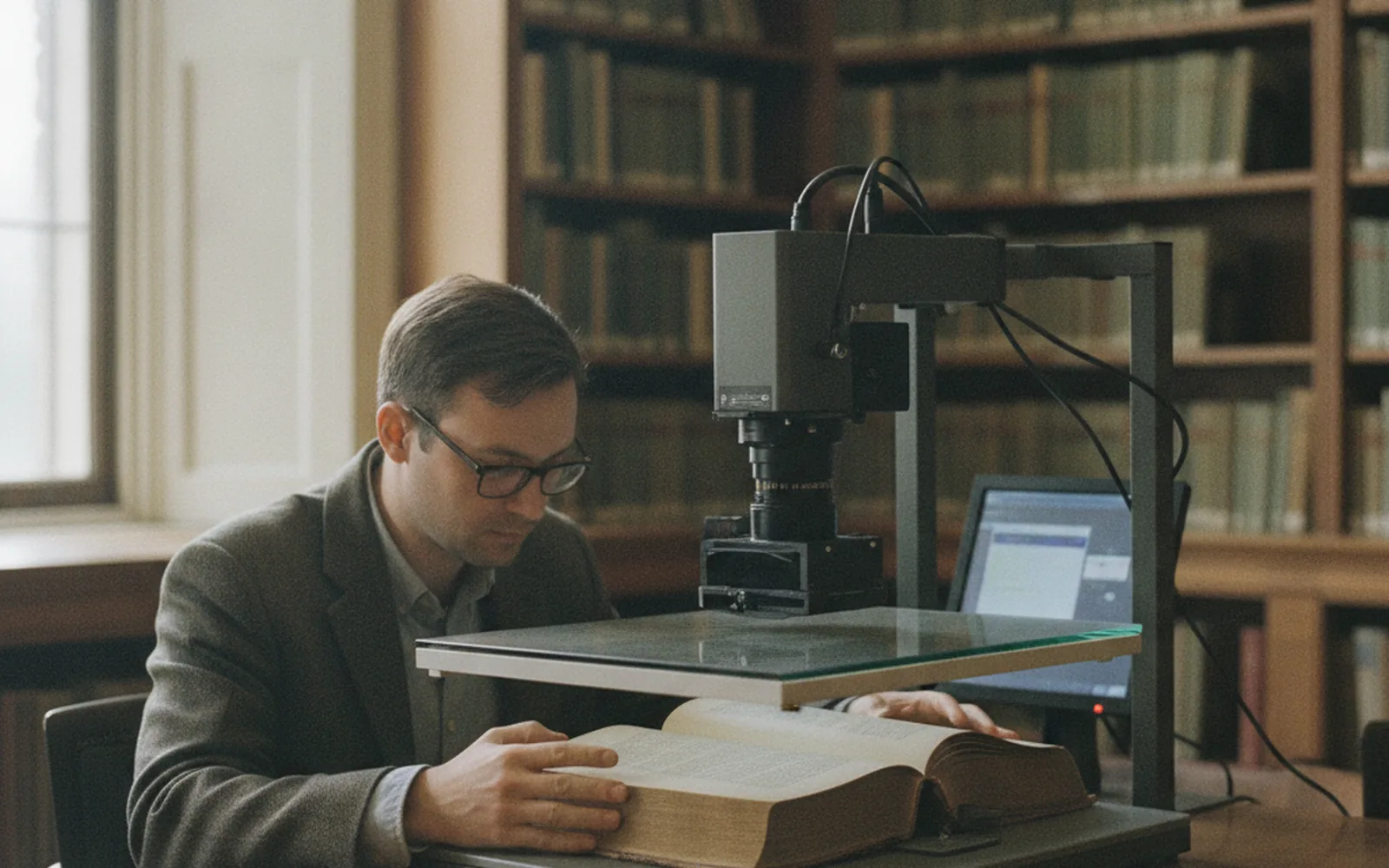
MetaScholar is the journal for building digital libraries that last.
Projects and collections documented in the archive
Backlog1
In progress2
Ready for review1
Preserved1
Scholarship is changing.
We are a small group of librarians, archivists and editors. We document what worked, what broke and what lasted in twenty years of digital library building.
Metadata turns collections into scholarship
A record is only as useful as the questions it can answer. Enrichment, crosswalks and shared vocabularies make old collections findable again.
We write about the unglamorous part: profiling messy fields, choosing a schema, normalizing dates and names, and checking the result with the people who will search it.
- CrosswalksMARC, MODS and Dublin Core mapped field by field
- VocabulariesLCSH, Getty, Wikidata and local lists side by side
- Reviewsample, diff and sign off before anything ships
Plan the migration before you run it
Every catalogue carries decisions made by people who are gone. A written plan, a sample run and a human review keep those decisions intact.
The Metadata Migrator work showed that most losses happen in the edge cases: approximate dates, uncertain attributions, local notes nobody documented.
- Profilecount every field and value before mapping
- Samplerun one percent and read the diffs
- Keepstore the original export next to the new records
- Profile the source fields · 38 fields found
- Write the crosswalk · MARC → MODS → DC
- Run on a 1% sample · diff every record
- Review exceptions with a cataloguer
- Migrate, then keep the original export
Preserved in many places, lost in none
Distributed preservation keeps copies on independent servers and checks them against each other. The idea is old. The discipline is rare.
MetaArchive put the LOCKSS idea to work among cultural memory institutions in the American South. Its reports remain a clear account of what a cooperative needs: shared rules, regular audits and partners who stay.
- Copiesseveral independent nodes, not one backup
- Auditsscheduled fixity checks with a written log
- Governancea charter that outlives staff changes
In every repository, at every step
Harvest records over OAI-PMH, talk them through with your team and review them in the catalogue.
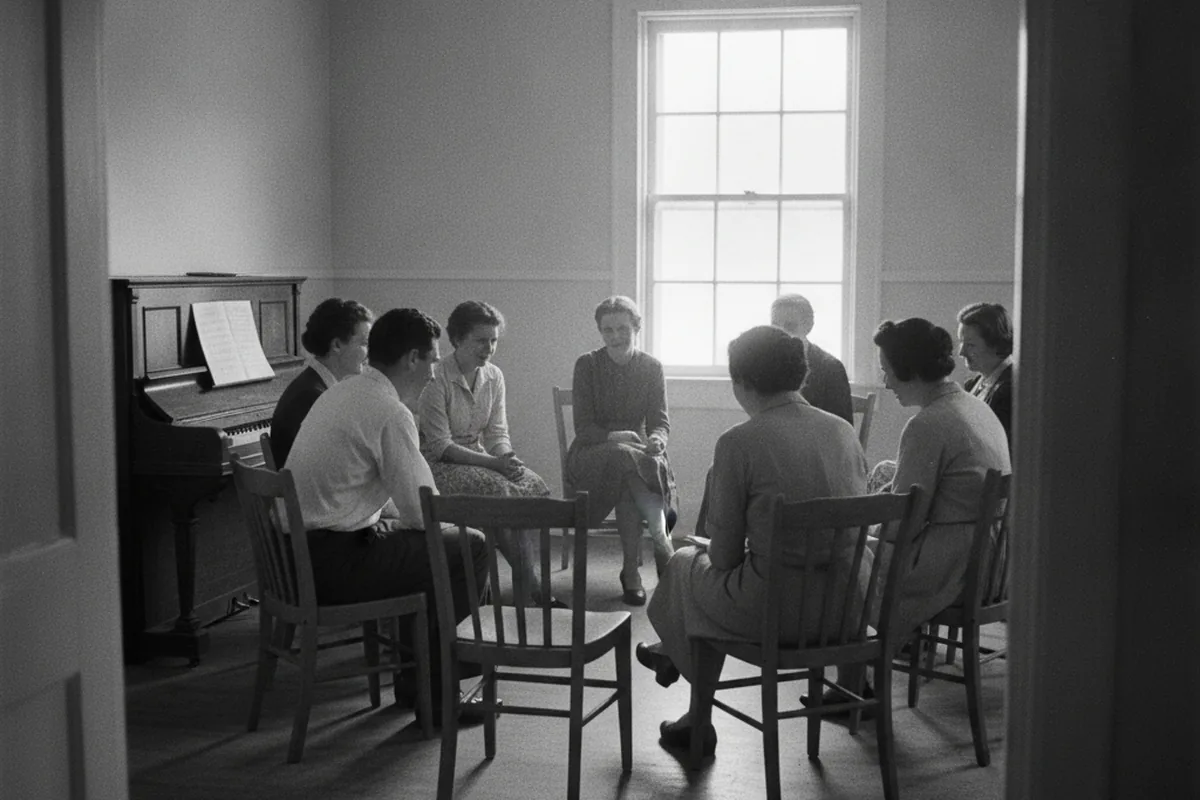
curl -s "https://repository.example.edu/oai?verb=ListRecords&metadataPrefix=oai_dc"Pulled the files for “Music of Social Change”. Folder names are inconsistent, I will map them before ingest.
Use the same crosswalk as last time. Dates go to ISO 8601, places to the gazetteer.
Once the record is clean we link it from the archive page and the journal piece.
Measure what readers actually find
Usage logs tell you what was clicked. Quality metrics tell you what was missing. We show how to read both.
The MetaScholar quality metrics study scored harvested records on what readers need: a usable title, a real date, a subject, a rights note and a link that still works.
Read the quality metrics studyThe questions that shaped the archive.
Open access means little if the files are gone in ten years.
Copyright decides what a digital library can show long before any software does.
Harvesting is easy. Records worth harvesting are the hard part.
A grant can build a collection. Only an institution can keep it.
Faculty and librarians build better scholarship when they build it together.
Songs, photographs and ship records ask for different care, and the same discipline.
Stay on the standards frontier
Use the right schema for every collection. We keep plain-language guides to the standards that matter, and the mistakes they prevent.
- DescribeDublin Core, MODS, EAD
- PackageMETS, BagIt
- PreservePREMIS, fixity
- DeliverOAI-PMH, IIIF
Build archives that keep working
Small teams run long programmes. A clear view of every collection, its copies and its open questions keeps the work moving for years.
Browse the documents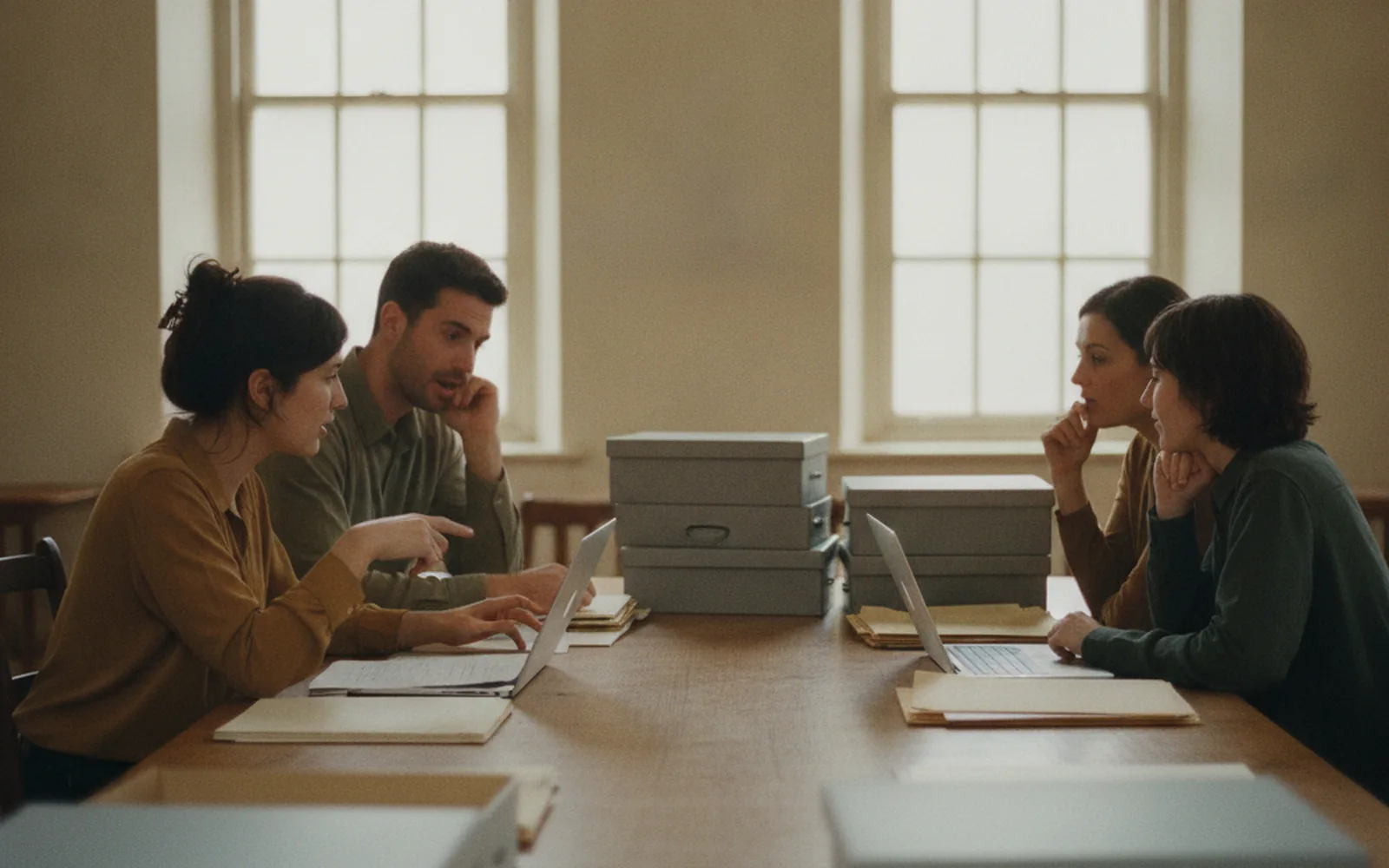
Built for libraries that plan in decades
The projects in this archive outlived their grants, their servers and sometimes their teams. Their reports are the best manual we have for the next twenty years.
Each project page here pairs the original goals with what happened next: which tools were retired, which collections moved, and what a team starting today can reuse.
About MetaScholarRead by topic
Four shelves, one journal. Start where your work is today.
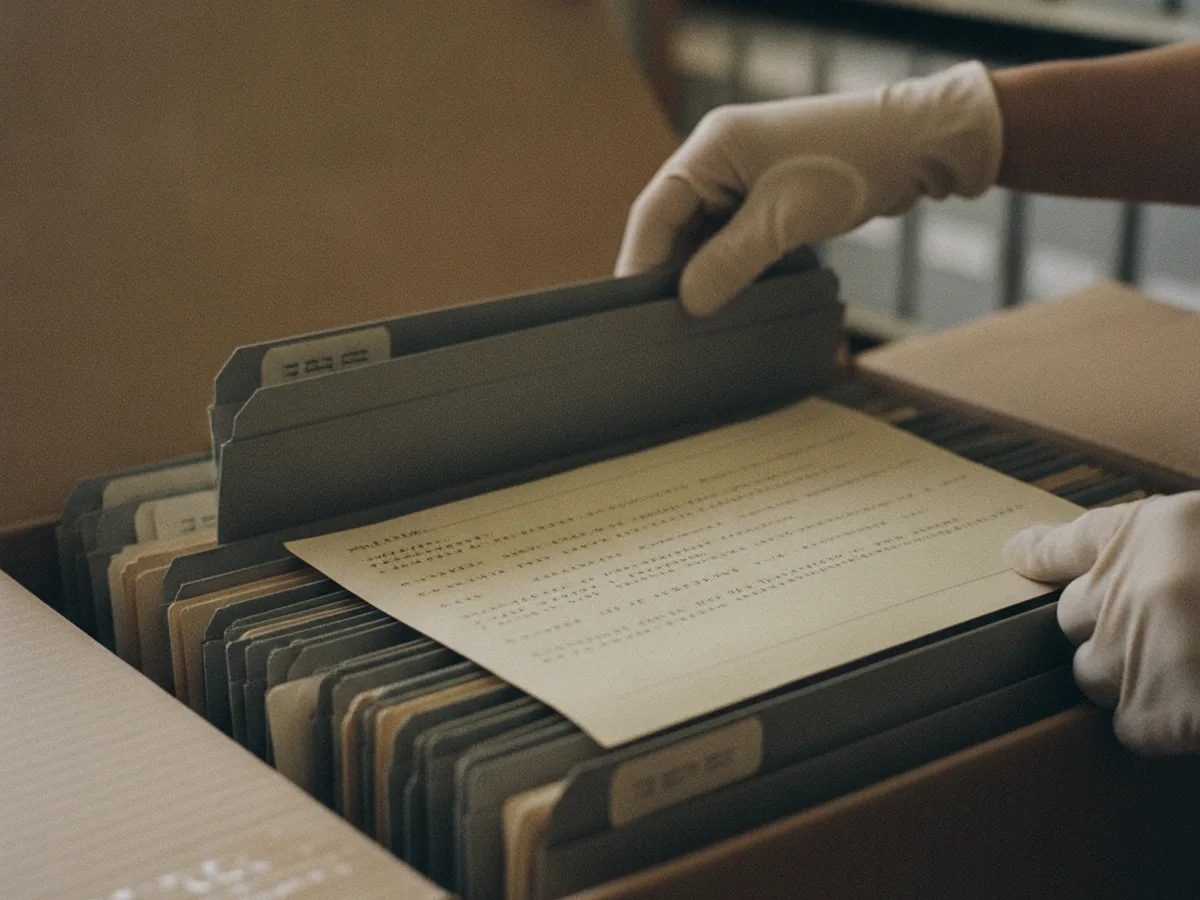
Schemas, crosswalks, authority files and the quiet craft of describing things well.
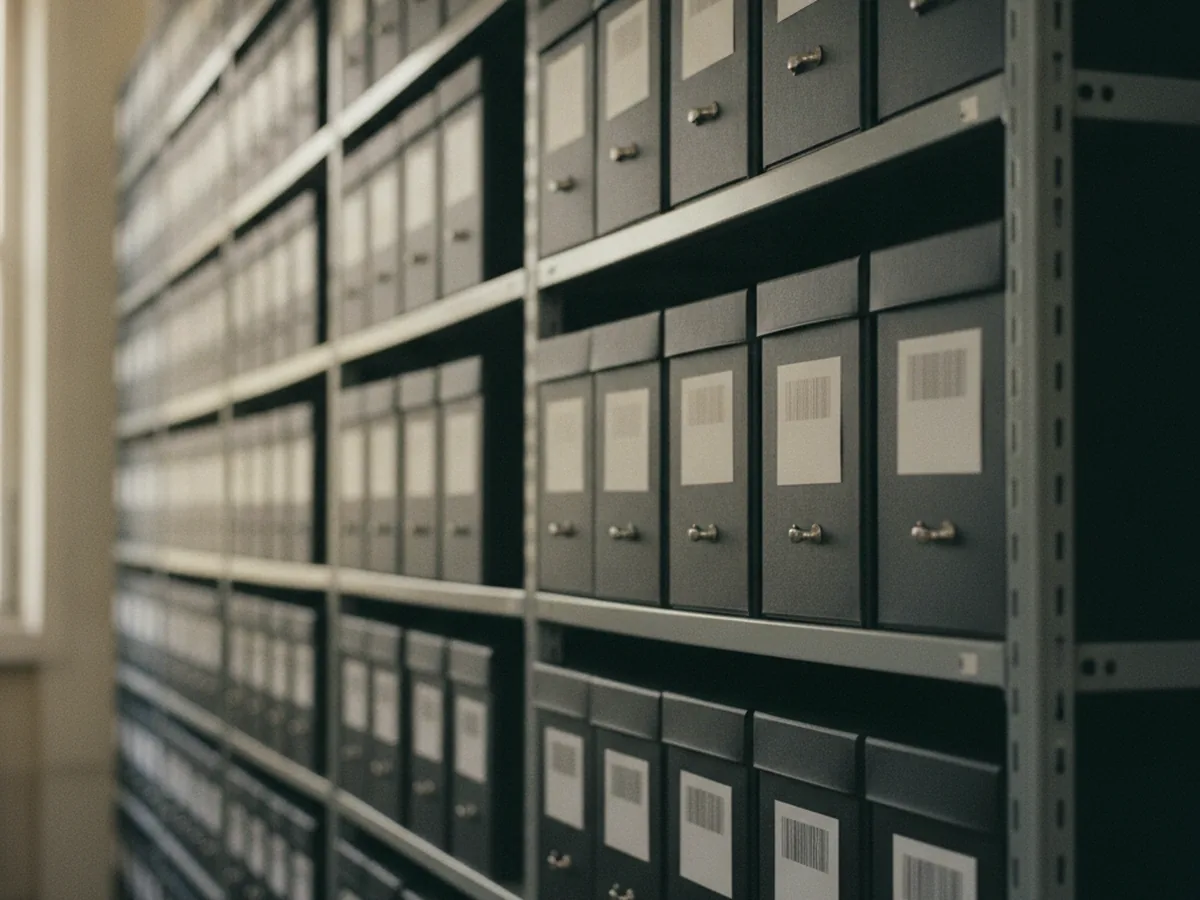
Fixity, replication, formats and the routines that keep files readable for decades.
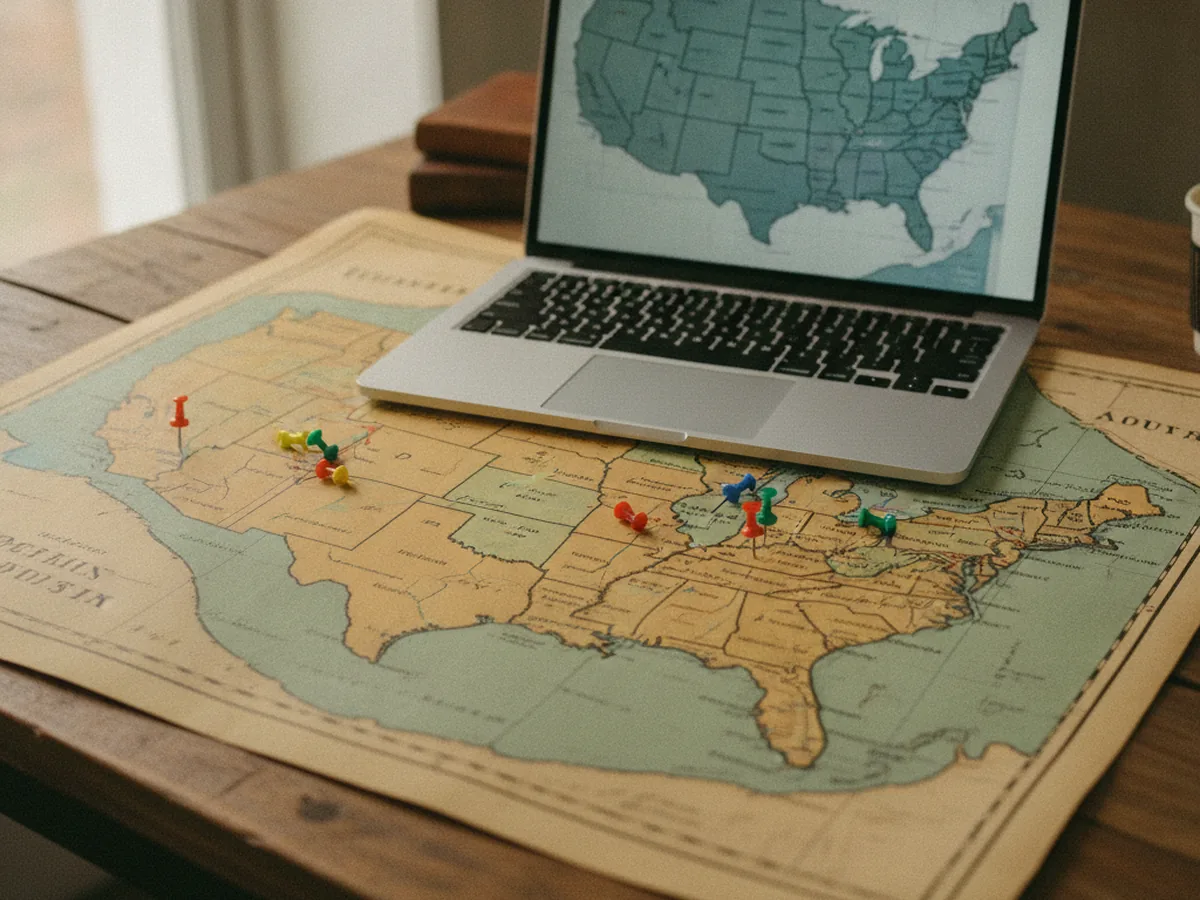
Repositories, identifiers, datasets and how research reaches its readers.
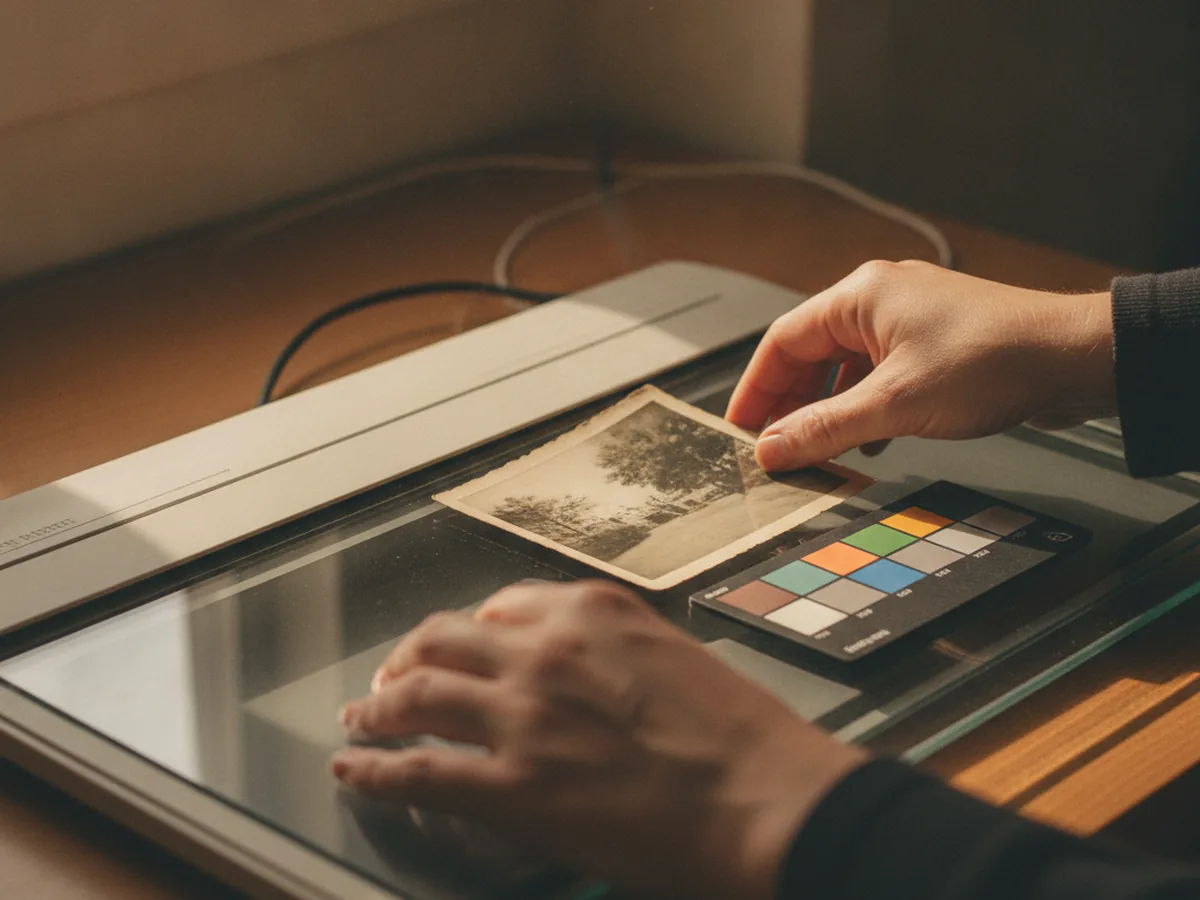
Copyright, fair use, rights statements and ethical access to sensitive collections.
Archive log
Files decay quietly. How checksums and BagIt packages let a small team notice first, and how to build a fixity routine that lasts.
Creative Commons grants permission. RightsStatements.org describes status. Knowing the difference is the first step to labeling digitized collections honestly.
Civil rights collections are in high demand and deeply personal. The questions to answer about description, access and community before you publish.
Place is a powerful way into a collection. How to geocode with gazetteers, record uncertainty honestly and publish a simple map that links back to your records.
MetaScholar is an editorial project focused on the long life of scholarly records.