Putting the trans-Atlantic slave trade on the record
Scholars of the slave trade and Emory's digital library team worked to bring a major research database online, free to everyone, for the bicentennial of abolition in 2008.

What the project set out to do
The trans-Atlantic slave trade forcibly carried millions of African people to the Americas between the sixteenth and nineteenth centuries. It was the largest forced migration in the early modern world, and it shaped the populations, economies and cultures of the Americas.
For decades, historians worked to reconstruct it voyage by voyage from shipping records, port registers, insurance documents and other archival sources. In 1999 that work was published as the Trans-Atlantic Slave Trade Database on CD-ROM, edited by David Eltis and colleagues. It documented 27,233 voyages.
The project described here, which ran from 2006 to 2008, joined leading slave trade researchers with Emory's digital library developers. Its aim was to revise and greatly expand that database and to make it freely available on the internet. The expanded version was planned to include more than 35,000 voyages, covering the large majority of all trans-Atlantic slaving voyages.
The goal was not only a bigger dataset. It was a resource that would keep growing as new evidence came to light.
Timed to the bicentennial
The release was planned for May 2008. The date was deliberate. Britain abolished its slave trade in 1807, and the United States prohibited the importation of enslaved people from 1808. The project marked the bicentennial of those decisions.
The anniversary was a reminder that abolishing the trade did not end slavery itself, and that the trade's consequences reached far beyond its legal end. A free, detailed public record of the voyages was a fitting way to mark the date. It allowed anyone, not only specialists, to see the scale and structure of what had happened.
Major funding came from Emory's Robert W. Woodruff Library and from the National Endowment for the Humanities, which supported the work through its We the People programme. Further support came from the W.E.B. Du Bois Institute for African and African American Research at Harvard University and from an Emory history professorship endowment.
The project's own website served mainly to keep the team and interested members of the public informed as the work progressed.
Built for researchers and classrooms
The project planned the resource in two tiers. One was for professional researchers, with full access to the voyage data and tools to query and analyse it. The other was for teachers, students from kindergarten through high school and general readers, with maps, archival documents and explanatory material.
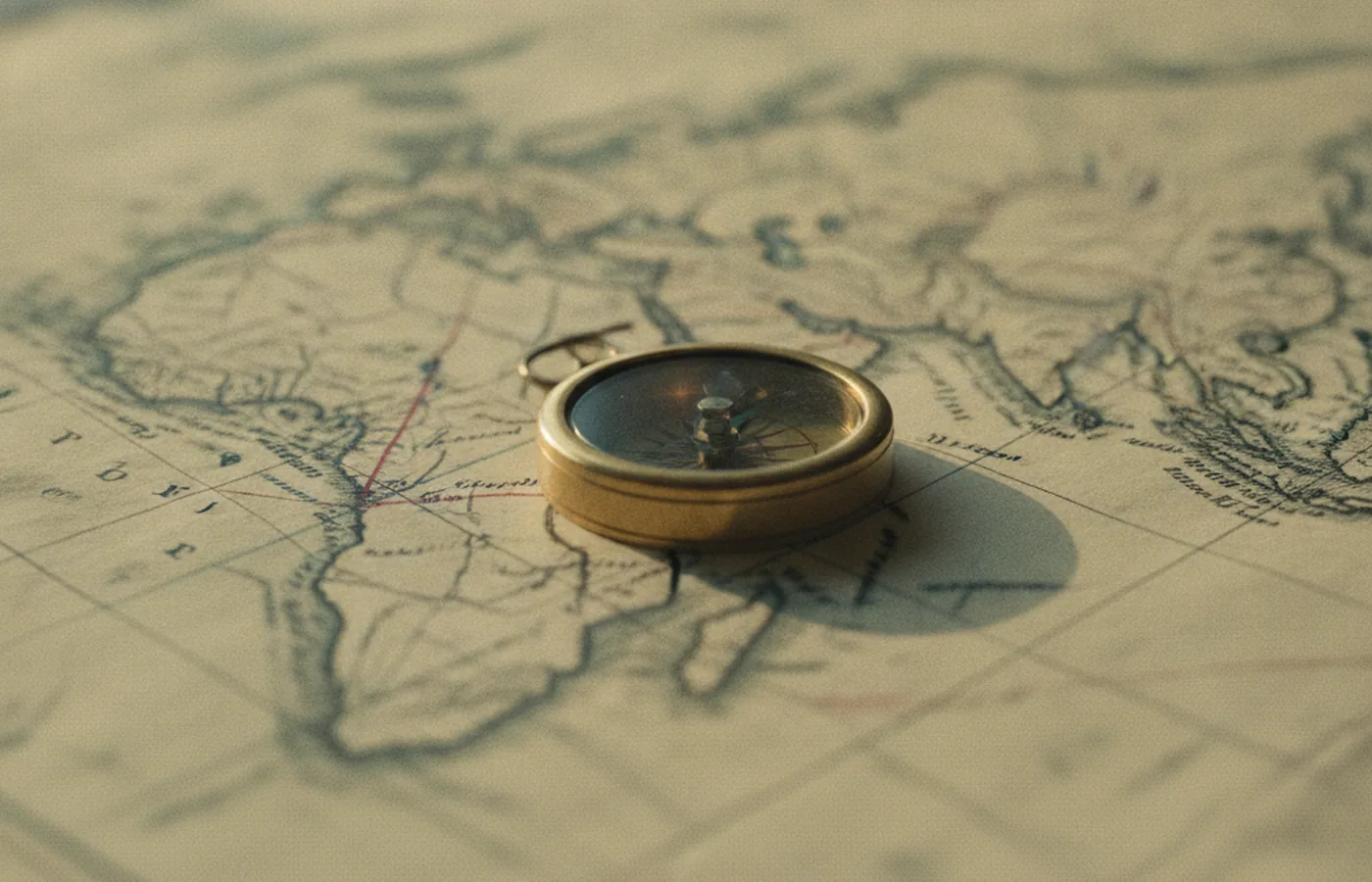
Maps were central. The original project site opened with part of a 1680 world map, Nova Totius Terrarum Orbis Geographica, showing the lands around the Atlantic. A copy of that map is held by the John Carter Brown Library at Brown University. Mapping the routes of individual voyages makes the connections between African ports and American destinations concrete in a way tables cannot.
The design also built in a way to grow. Researchers could submit new voyage data to an editorial board, which would check it before adding it to the database. That process treated the database as living scholarship, open to correction and addition, rather than a finished publication.
Where the database lives today
The database did go online, and it has continued to develop. Its current home is SlaveVoyages.org. That is the place to search the voyages, explore maps and read the accompanying essays. We do not host the data, and nothing on this page replaces it.
We include the project in this archive because it shows something the MetaScholar programme cared about: digital library work in service of a scholarly community. The technical tasks, such as data modelling, interfaces and editorial workflows, mattered because of the history they made accessible.
Present-day note: projects like this one raise questions that technical teams cannot answer alone. How should a database represent people who appear in records only as numbers? Who should be able to contribute and correct? The ongoing work around the database has taken these questions seriously. Anyone building research infrastructure on sensitive history can learn from that.
For the wider programme context, see the about page.