Learning to preserve together
In spring 2007 the Woodruff Library hosted a three-day workshop for institutions that wanted to build or join a distributed preservation network based on LOCKSS.
A workshop, not a conference
Most MetaScholar events were symposia built around talks and papers. This one was different. The Distributed Digital Preservation Workshop, held at Emory University's Robert W. Woodruff Library from May 30 to June 1, 2007, was a training event.
Its audience was specific: institutions that wanted to build their own distributed digital preservation network, or join an existing one. The technical basis was the LOCKSS software, developed at Stanford, which keeps copies of content on several independent servers that check each other for damage.
The workshop covered both how such networks work and how to run one. Attendees learned the technical setup, but also the organizational arrangements that keep a group of institutions working together over years.
The event was sponsored by the MetaArchive Cooperative and the National Digital Information Infrastructure and Preservation Program at the Library of Congress. Both had a direct stake in more institutions adopting the model.
How a private LOCKSS network works
The original LOCKSS idea was built for published journals. Libraries that subscribed to the same journal each kept a copy, and the copies compared notes to repair damage. The name stood for "lots of copies keep stuff safe".
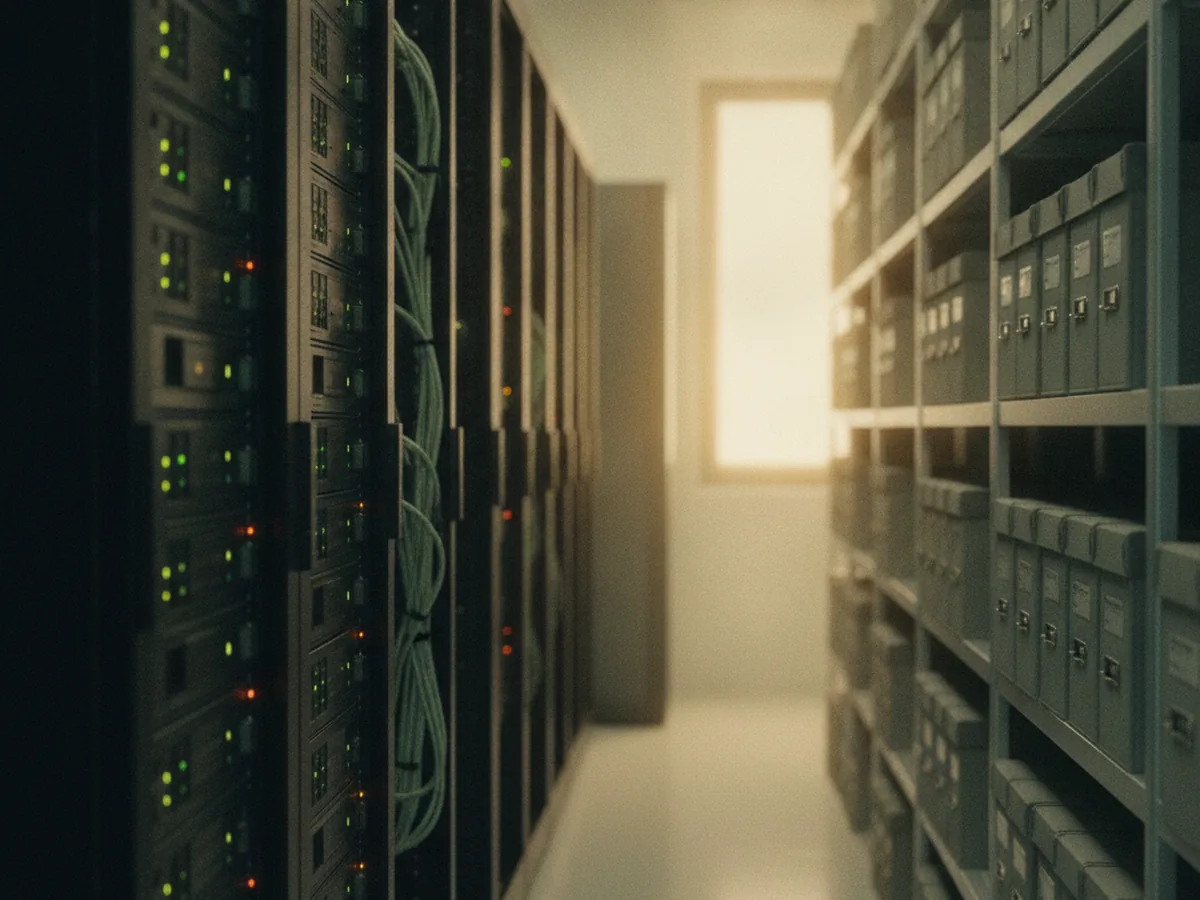
A private LOCKSS network applies the same method to a closed group. A small number of partner institutions each run a server. They agree on what content to preserve, often their own unique collections. Each server holds copies of the group's content and takes part in regular checks.
If one copy is damaged or lost, the others supply a correct version. No single institution is a point of failure. The network is private in the sense that only members take part, though the content itself may be public.
The MetaArchive Cooperative was one of the first networks of this kind. It grew out of a project funded through the Library of Congress, in which Emory and several Southern universities set out to preserve digital content about the culture and history of the American South. More on the model is at lockss.org.
The MetaArchive connection
The workshop announcement made a specific point. Institutions thinking of joining the MetaArchive Cooperative were encouraged to attend, so they could understand its organizational and technical context before committing.
That reflected where the project stood in 2007. The partner institutions, including Emory, Georgia Tech, Virginia Tech, Florida State, Auburn and the University of Louisville, had spent the project period developing four things together:
- a prioritized survey of at-risk digital content in their subject area,
- a harvested body of the most critical content,
- a cooperative agreement for continuing to work together,
- and the preservation network itself.
With the grant period ending, the question was how to turn a funded project into a lasting cooperative. Training new members was part of the answer. More members meant more copies, more shared cost and a stronger case for continuing.
The editors' briefing on the project's final report is available as the MetaArchive final report summary.
Why it still matters
Distributed preservation is now a mainstream recommendation. Preservation guidance generally calls for multiple copies in separate locations, with regular fixity checks to detect damage. The 2007 workshop taught exactly that, before it was routine.
The organizational lessons have aged just as well. A preservation network depends on members trusting each other with their content and sharing costs fairly. It needs clear rules for joining, leaving and deciding what to keep. Those rules are harder to write than the software is to install.
For institutions considering a similar network today, the questions from 2007 still apply. What content is truly at risk. Who will run each server. How the group will pay. What happens when a member leaves.
The MetaArchive Cooperative continues to operate. The editors explain the underlying model in LOCKSS and distributed preservation, explained, and cover fixity checking in BagIt and fixity: a practical guide.